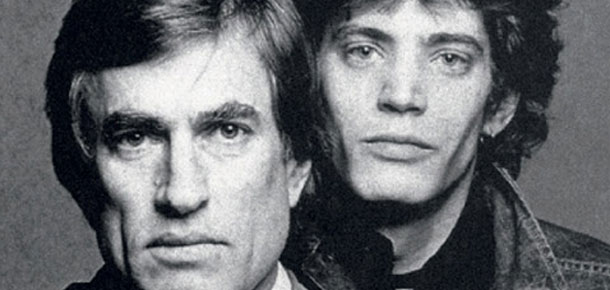
Movie Review: Black, White + Gray: A Portrait of Sam Wagstaff and Robert Mapplethorpe 

Sam Wagstaff and Robert Maplethorpe

Sam Wagstaff and Robert Maplethorpe

I discovered a documentary the other night called Black, White + Gray by James Crumb (2007). The blurb calls it a study of the relationship between the curator/collector Sam Wagstaff, the artist Robert Mapplethorpe, and the poet/singer Patti Smith. To be honest, however, it is really the story of Wagstaff, that touches greatly on his relationship with Mapplethorpe and to a much smaller degree with Smith, both for whom he was mentor and patron and friend. (In Mapplethorpe’s case lover and companion.) Consequently, it also deals with art, the business of art, the demimonde of gay life in the 1970s and 80s, and, of course, the scourge of AIDS.
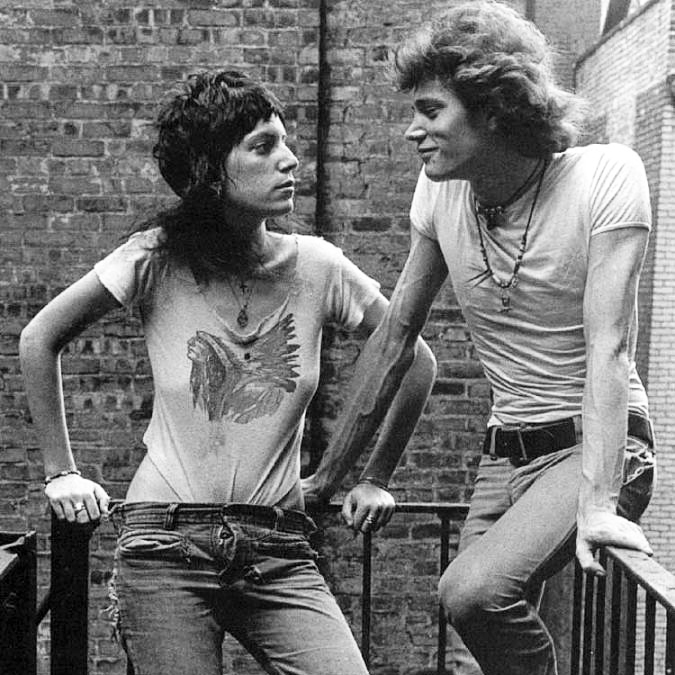
patti smith robert mapplethorpe

patti smith robert mapplethorpe

Moving chronologically through Wagstaff’s life–and anchored by Patti Smith’s intelligent and honest and fond recollections–the film follows Wagstaff from his schooldays through his loathed time spent in advertising to his prominence in the art worlds of New York, Paris and London. Along the way, there are appearances on the Dick Cavett Show, press conferences, interviews with his friends and colleagues, and countless photographs, many taken by him or Mapplethorpe and many part of his historic collection.

Wagstaff was strikingly handsome, aristocratic, and intelligent. (Dominick Dunne called him one of the most handsome men he ever saw.) He was also gay, but closeted himself for much of the oppressive fifties and early part of his life. Not until his meeting with Mapplethorpe did it seem he grew comfortable with his homosexuality. As a curator, he embraced and pushed forward those artists and art forms that were still on the fringe, Minimalism, Earth Works, Conceptual Art, and, most importantly, photography. Wagstaff believed that photography was an ignored art and deserved to be elevated to the pantheon of “Fine Arts.”

Indeed, it is because of Wagstaff that photography holds the status that it does today. His relentless collecting, the exorbitant sums he paid, the continual praise and comments in the press, single-handedly hauled photography onto the main stage.

A few years before he died, Wagstaff sold his private collection of photographs to the Getty Museum in Los Angeles for the then unheard-of price of $5-million. It was testimony to how far he had brought photography to the forefront.

The interviews within the film are honest and intelligent. Many deal with his collecting, with his curating, and with his “vision.” Many deal (some negatively, some positively) with his relationship with Mapplethorpe. Dominick Dunne, particularly, gets much air time, and talks about Wagstaff in two of the worlds that he lived in–the socialite world and the gay world. And all is brought together by the reminiscences of Smith.

“Compartmentalized” is a word that often came up, and it seemed that Wagstaff was very good in ordering his life into separate and distinct components. But in the end, it was the gay world that did him–and so many others–in. It is easy to forget that at one point, AIDS was a scourge that was decimating much of the art world. The film ends with Wagstaff’s death, and then with Mapplethorpe’s, and then with a list of the many artists who have died of AIDS complications since.

It is a sobering ending. But then the credits role and are intersperse with clips from the many interviewees and once again we are reminded of the life, of the visionary man who rose so high in the world of art–and brought others with him .

We know much about Mapplethorpe’s life, and Patti Smith’s, greatly due to her wonderful memoir, Just Kids. James Crumb’s film Black, White + Gray adds greatly to our knowledge of that time and that world and the people who populated it. It’s worth while finding and fascinating viewing.

By the way…

The title of the film, Black, White + Gray not only refers to the B&W Photography that Sam Wagstaff collected, cataloged, and often curated, or the shades of distinctions in the compartmentalized life that he constructed, but also to the momentous exhibited he staged at the Hartford Wadsworth Atheneum entitled “Black, White and Gray.” The exhibit, considered the first minimalist show, featured the work of Stella, Johns, Kelly, and Lichtenstein, among others. It was an extraordinary success, influencing fashion, Hollywood, advertising, and, of course, Truman Capote’s infamous Black and White Ball.
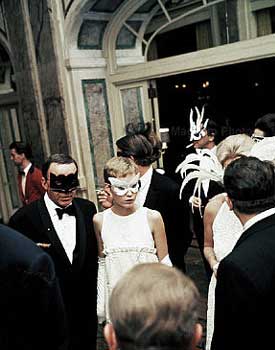
Frank Sinatra and Mia Farrow arriving at Truman Capote's Black and White Ball.

Frank Sinatra and Mia Farrow arriving at Truman Capote’s Black and White Ball.

https://i0.wp.com/media-cache-ak0.pinimg.com/192x/85/cf/f1/85cff11fb5bb99780ab77c77af4861d9.jpg

Andy Warhol at Truman Capote’s Black and White Ball without a mask.
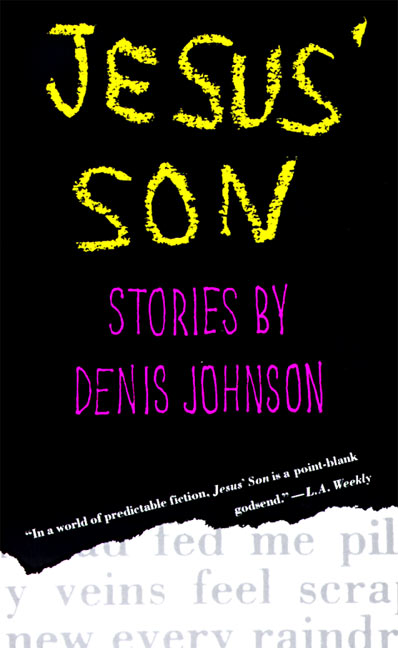
I can’t write, so I read Denis Johnson…

…and now I know I can’t write.

At times I feel I’m kidding myself. Who do I think I am pretending to be a writer, a poet, a thinker?  I am just an everyday slug without the discipline to get anything really worthwhile done.  And discipline is what you need. How many times do we hear that just showing up is 90% of the struggle?  Just do the work, day in and day out, we are told, and the creation will come.

I don’t do the work.

jesus-sonAnd so as I sneak off for my hour-and-a-half, two hours, I try to jump-start my atrophied mind by reading for a while at first. Unfortunately today, I began re-reading Denis Johnson’s Jesus’ Son, a collection of eleven wise, lively, brutal, intense, truthful short-stories.

I’ve never felt so washed up in my life!

The first story,  “Car Crash While Hitchhiking” is riveting. It’s like a very bad car accident that you can’t turn away from. The narrator, the hitchhiker, has been on the road from Texas to Kansas City. The first driver fed him amphetamines and Canadian Club;  the second ride was a hashish filled bubble to the city limits; and the third ride was the fateful ride–a family of four with a nine-month old baby on the back seat, destined to be brutalized in a head-on collision. The narrator is flawed and generous and seemingly prescient, for he seems to know that it is this family that picks him up that will suffer. His final words long after the car accident and while being admitted to the Detox at Seattle General are puzzling–if not telling: “And you, you ridiculous people, you expect me to help you.”

God, could it be Jesus’ son?

Much later in the collection–one could label Jesus’ Son an episodic novel rather than a collection of short stories with its single narrator and progressive (though disjointed) chronology–the narrator is in detox and is shaving another man. (The drugs they are giving him have steadied his hands to such a degree that he has taken to shaving fellow patients.) Here is part of the scene:

Just below one cheekbone, Bill had a small blemish where a bullet had entered his face, and in the other cheek a slightly larger scar where the slug had gone on its way.

“When you were shot right through your face like that, did the bullet go on to do anything interesting?”

“How would I know? I didn’t take notes. Even if it goes on through, you still feel like you just got shot in the head?”

But they aren’t Bill’s only wounds. “I’ve been shot twice,” Bill reveals. …”Once by each wife for a total of three bullets, making four holes, three ins and one out.”

This is the world of Jesus’ Son. There are bullet wounds and heartaches. There is addiction and abortion, love and lovelessness, disease and car-crashes and murder. Johnson once said about his stories “Some of us go to the movies to see everybody shooting each other, and then there’s another bunch who actually shoot each other.” It is this latter bunch that people Johnson’s stories. But in addition to “shoot[ing] each other,” they seek salvation, search for love, and try to survive on the wrong track that life has set them on.

Intense and unsettling, witty and thrilling, the stories are both unforgettable and beautiful.  Something any writer should aspire to.

So, Another Weird Coincidence…

So, I had sneaked out to this coffee house to do this wee bit of writing and reading. And I was considering saying something about the title–Jesus’ Son–and how it was taken from the Lou Reed song “Heroin.”  I had just decided against it when Lou Reed’s “Sweet Jane” comes on the sound-system and that sealed the deal.  When I mentioned the coincidence to the guy at the counter, he replied, “Lou is everywhere.”  I didn’t know, hah!

So, if you want, here’s a recent version of Lou Reed singing “Heroin” from where the title came:


“Likes…and Dislikes”: something to think about

I’ve been reading a lot of Susan Sontag lately: her journals, her book Illness as Metaphor, and a slew of blog posts. One of these excerpted a journal entry in which Sontag not only analyzed why we humans like lists but that produced a list of her own likes and dislikes. Essentially, she was standing up for or against particular aspects of modern life. Most of us “jot down” lists, but this is probably the wrong phrase for this activity, because thinking about what one actually likes and dislikes is a more difficult thing to do than I first imagined, more involved than mere jotting. I know, because I tried.

2013 jpbohannon

© 2013 jpbohannon

At first I worried that making such a list bordered on the narcissistic. Who really cares what a person likes or dislikes? Do we make conscious decisions with any of this knowledge about other people? I doubt it, particularly in our day to day interactions.

But making such a list could be enlightening, for oneself. No one else needs to know. Sit down and think about the world and what you actually enjoy and what you find annoying, painful, sad.

However, if created lightly, without much thought, this list ends up sounding like the profile of some air-headed celebrity: “I like moonlit walks on the beach…, etc.” A far cry from the list Sontag created.

And to put any such a list out there is a bit risky…and again a bit self-involved.

I spent a good bit of time thinking about what I like–which writers and musicians, what art forms and what cities, what quirks of my own and what indulgences, what parts of everyday life and what special dreams. It was harder thinking of those things I didn’t like–the things I find annoying seemed petty when put on paper, seemed like too much kvetching, and was beginning to be forced.

So I put my list together and I worked hard at it and I decided it didn’t need posting, after all. It was good enough for me: “the examined life and all that.” Hah!

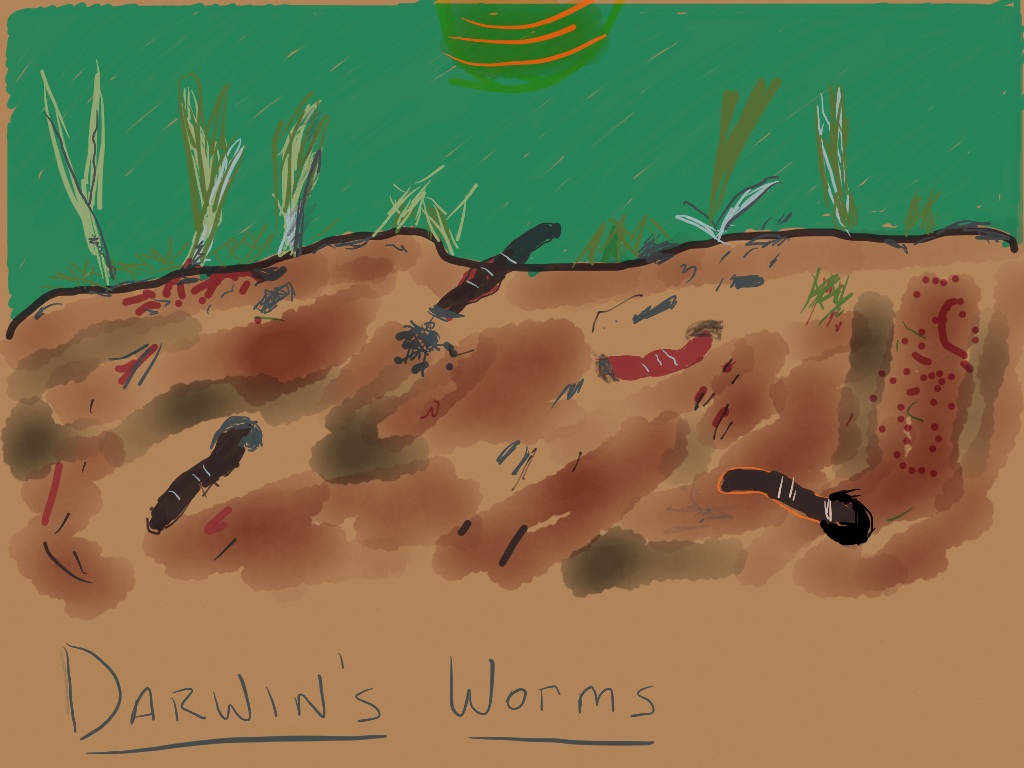
Book Review: Darwin’s Worms: On Life Stories and Death Stories by Adam Phillips

2013 jpbohannon

2013 jpbohannon

Adam Phillips begins his small book Darwin’s Worms with a story about the composer John Cage. Cage had attended a concert by a friend. In the program notes to the concert the friend had written that he hoped in some small way that his music helps to ease some of the suffering in our modern world. When Cage criticized this desire, the friend asked him if he didn’t think there was too much suffering in the world. “No,” replied Cage. “I think there is just the right amount.”

And so, Phillips writes, it is to remind us of and reconcile us to the fact that the amount of suffering in life is just the right amount that we turn to Darwin and Freud.

Darwin was very aware of the suffering in the natural world. Anticipating Freud on one level, he saw all organisms in a war for survival, thrust forward by an instinct to regenerate, adapting continually to a constantly changing environments. While the rest of his society were arguing, debating, proselytizing what it believed were the weightier implications of Darwin’s observations, Darwin studied the lowly earthworm, understanding its importance in the life of nature and, in turn, our own, (which he would argue is part of nature and not separate from). Flipping the usual symbolism on its head, removing the lowly worm from man’s symbolic last meal (“not where he eats, but where he is eaten”) and placing it at the continual meal that is life, Darwin points out that worms function in nature like plows, turning over soil and creating the soft and germinating loam that we take as the earth’s surface. As they struggle to survive (and “struggle” and “survival” are both key words in Darwin and Freud’s lexicon), worms leave behind shards of the past–that which they cannot digest–and form suitable soil for the plants that will provide for their future. Darwin states that:

“…it would be difficult to deny the probability that every particle of earth forming the bed from which the turf in old pasture land springs has passed through the intestines of worms.” That is a very large contribution to life on earth, powered simply by the worm’s instinctual drive to survive.

Later, Freud elaborated this drive, this instinct to survive and coupled it with its antithesis, the death instinct. At first, he termed them simply, the life instinct and the death instinct. Ultimately, he gave it the poetic designation of “Eros and Thanatos.” The life instinct is easy to understand. Man is driven to survive and to propagate. (“To be or not to be” becomes “to survive or not to be.”) The latter, however, the death instinct is a bit more difficult to get one’s head around. Freud believes that in the struggle to survive man also has a desire to cease that struggle–to stop the pain, if you will. However, the desire, says Freud, is also to be in control of that death. To make it part of one’s life story.

Later in the book, Phillips gives us passages from two separate biographies (“life stories”) of Freud. Both describe the same scene, Freud’s death (“death stories”). The scenes themselves are poignant, but what Phillips does with the passages is telling. In it, he shows Freud “controlling his death” the way that he thought all humans desired. In a way, it is a heroic portrait and an affirmation of Freud’s theories.

As Phillips concludes, in their work, both Freud and Darwin “ask us to believe in the permanence only of change and uncertainty… . to describe ourselves from nature’s point of view; but in the full knowledge that nature, by (their) definition, doesn’t have one.” In an work that analyzes mortality, death, and loss, Darwin’s Worms is a surprisingly upbeat and reassuring view of the world.

♦ ♦ ♦ ♦ ♦ ♦

Freud famously said that there are no such things as coincidences. But today as I opened my computer to begin writing this post about Darwin and Freud, the homepage on my computer opened to this New York Times article revealing the discovery of the fossil of a nearly complete skeleton of what is the earliest primate known, changing scientists’ time-line for the appearance of primates on earth by 8 million years, and giving credence to the growing theory that primates emerged first in Asia rather than Africa.

Xijun Ni/Chinese Academy of Sciences An artist's interpretation of a tiny primate that is thought to be the earliest known ancestor of nocturnal primates living today in Southeast Asia. from NYTimes 06/06/2013

Xijun Ni/Chinese Academy of Sciences An artist’s interpretation of a tiny primate that is thought to be the earliest known ancestor of nocturnal primates living today in Southeast Asia. from NYTimes 06/06/2013

How appropriate. Darwin would have been excited, for he saw great value in studying the simplest and earliest of life-forms, plankton, barnacles, and earthworms.

Endings, beginnings, and start-overs

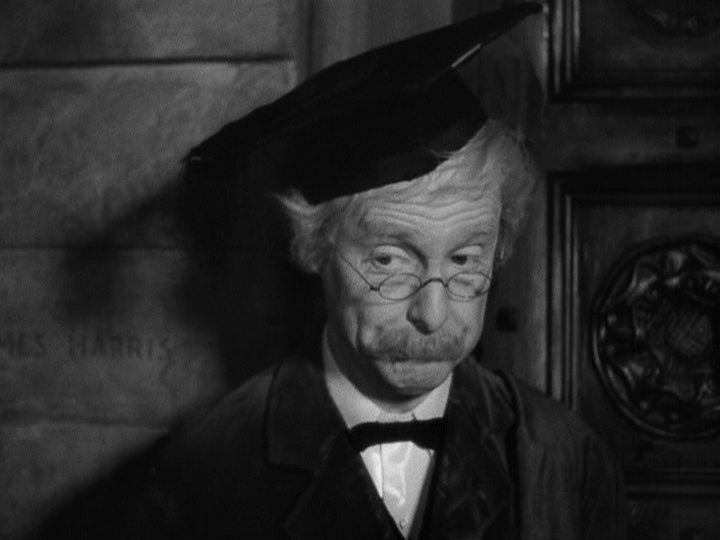
Before I began teaching at the school where I currently teach, I worked in an advertising agency. During the interview process at the school, the headmaster asked me what I thought would be the greatest difference. My answer was “Endings.”

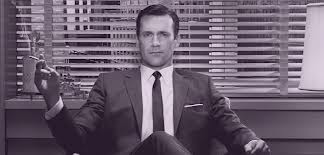
dandraper       mrchips

In the advertising world, it was not unusual for some print ad for which I had written copy  nine, twelve, eighteen months earlier needing to be re-tweaked  later. We are changing our direction, the headline is too “downtown,”  we want to downplay the price, emphasize the sponsor, etc., etc.  Things never were truly complete. They were signed-off on, yes. But they were never done with.

Teaching, however, is one of those professions where there are periodic endings, arbitrary endpoints where the slate is wiped clean, one can review what went right, rue what went wrong, and learn from both.

It is the end of May now, but I know that I and many of my colleagues are already plotting out projects and readings, weighing shifts in focus and shifts in technique, and (always on my part) constructing schemes to stay better organized in the upcoming school year.

And besides a chance to start anew, the end of a quarter, a semester, a school year offers a chance to bury the past and move forward. To begin again.

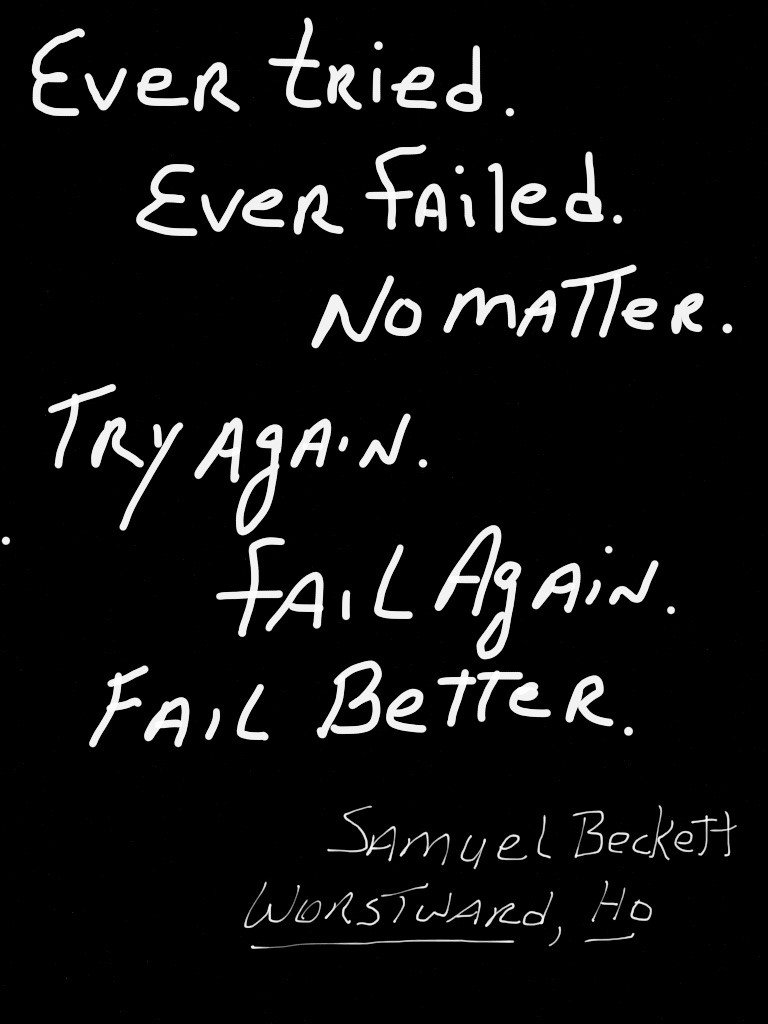
I used to have the Beckettian quote, Try Again, Fail Again, Fail Better, posted on the wall of my office. At the time, it was a personal mantra for me, for my own work. I was not thinking of teaching. This year it has become a buzzword/phrase throughout education.failbetter1

All over in print and on the web there are articles about the value of failing, about the necessity of failing, of the embrace of failing. And we as teachers know that as well as anyone–for ourselves, if not necessarily for our students.  For what is the end of each term but a chance to review our failings and resolve to “fail better” next time.

Now with the end of the school year, there is also the spate of “commencement speeches” that must be heard. Those talks given to graduating seniors in colleges and high-schools around the country that are especially inspiring, especially poignant, especially relevant.

David Foster’s Wallace’s commencement speech at Kenyon University has become legendary. For a long while it was shot all over the internet, and then capitalism took over and someone decided to release it as a book.  It has been abridged and made into a wonderful short film, This is Water. Like all great commencement speeches, this is wise, humorous, and relevant without falling into clichés. It emphasizes compassion and empathy, warns graduates of the sometimes benumbing world of adulthood, and charges them to make their world better by understanding it more tolerantly.

Lately, Neil Gaiman’s 2012 speech at the University of the Arts in Philadelphia has been parsed and tweeted, analyzed and blogged about. It has been highly criticized and highly praised. It is about creativity and about personal freedom. And, of course, at this time of year, it is all over the place and referenced almost every time you log on.

And even Jane Lynch, the wonderful actress who has appeared in so many of the Christopher Guest films and now stars in the television show Glee, even Jane Lynch keeps appearing in my in-box and my twitter feeds and blogs that I follow because of the inspiring speech she gave in 2012 to the women of Smith College.  It too is forthright and wise and commanding.

But it is the nature of graduation speeches to address an audience as they START OUT into something new.  One of the joys/perks of teaching is that one gets to START OVER.  My best and frequent companion these days is a 7-year old boy with whom I play a lot of games.  Often when something goes wrong for him in a game we are playing, he is the first to yell, “Start Over” (though just as often he simply  changes the rules!)  Who knew that the gaming-strategy of a 7-year-old is the same spark that keeps good teachers fresh, engaged and effective?

Quote of the week: #4 May 19, 2013

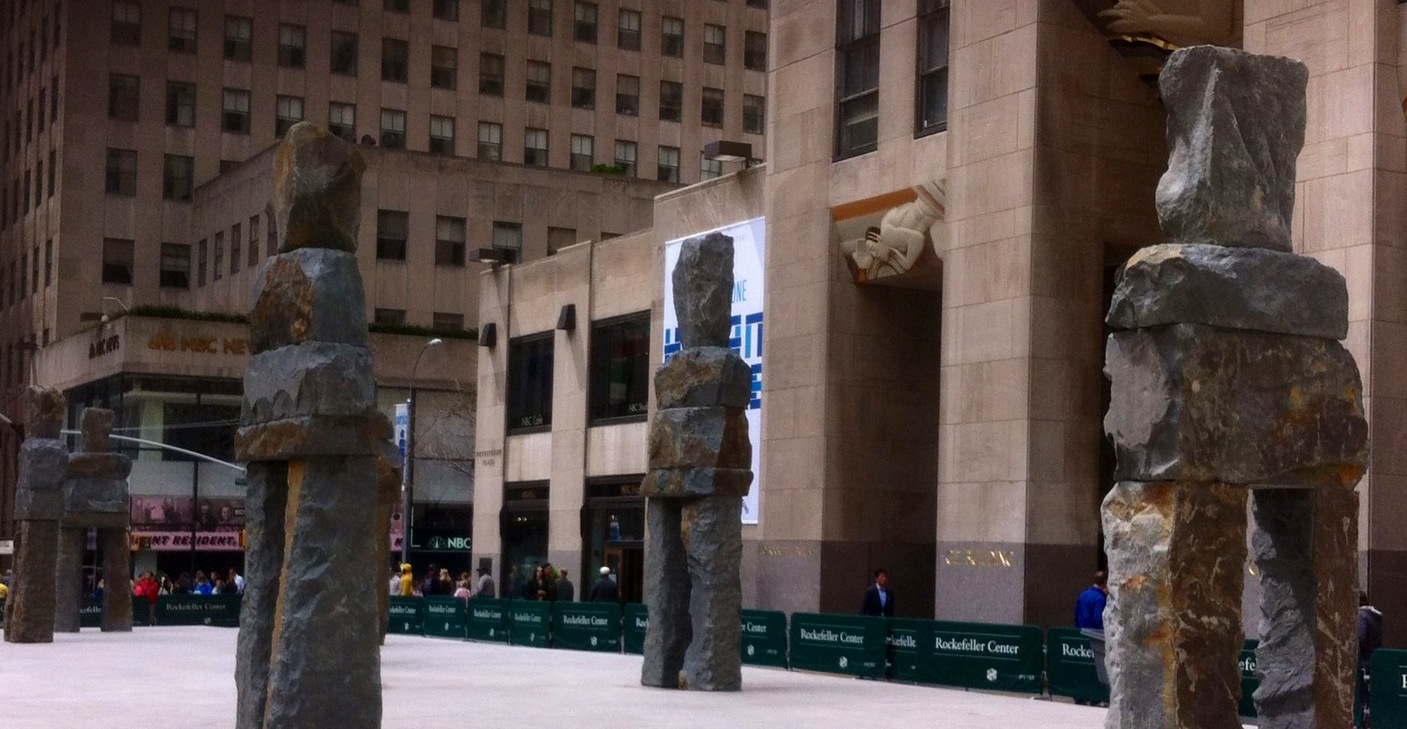
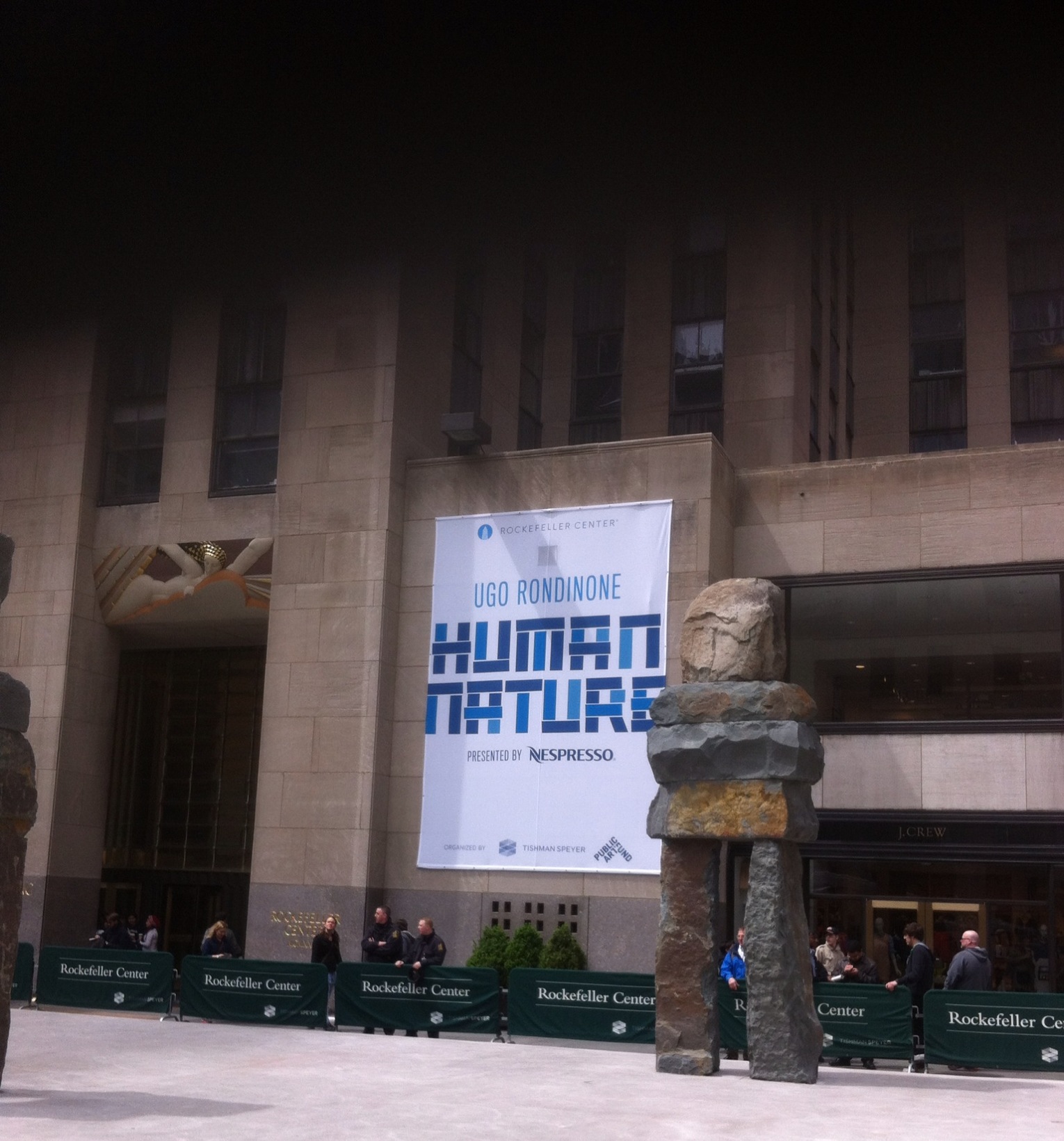
“…even in an era of touchscreens and interactive spectacle, it’s human nature to feel awed and inspired in the presence of a giant rock.”

Robin Cembalest,  Artnews. “The Gentle Giants of Rockefeller Center”

Ugo Rondinone's "Human Nature" Installation, Rockerfeller Center, NYC photo: 2013 jpbohannon

Ugo Rondinone’s “Human Nature” Installation, Rockerfeller Center, NYC
photo: 2013 jpbohannon

Ugo Rondinone's "Human Nature" Installation, Rockerfeller Center, NYC photo: 2013 jpbohannon
Ugo Rondinone’s “Human Nature” Installation, Rockerfeller Center, NYC
photo: 2013 jpbohannon

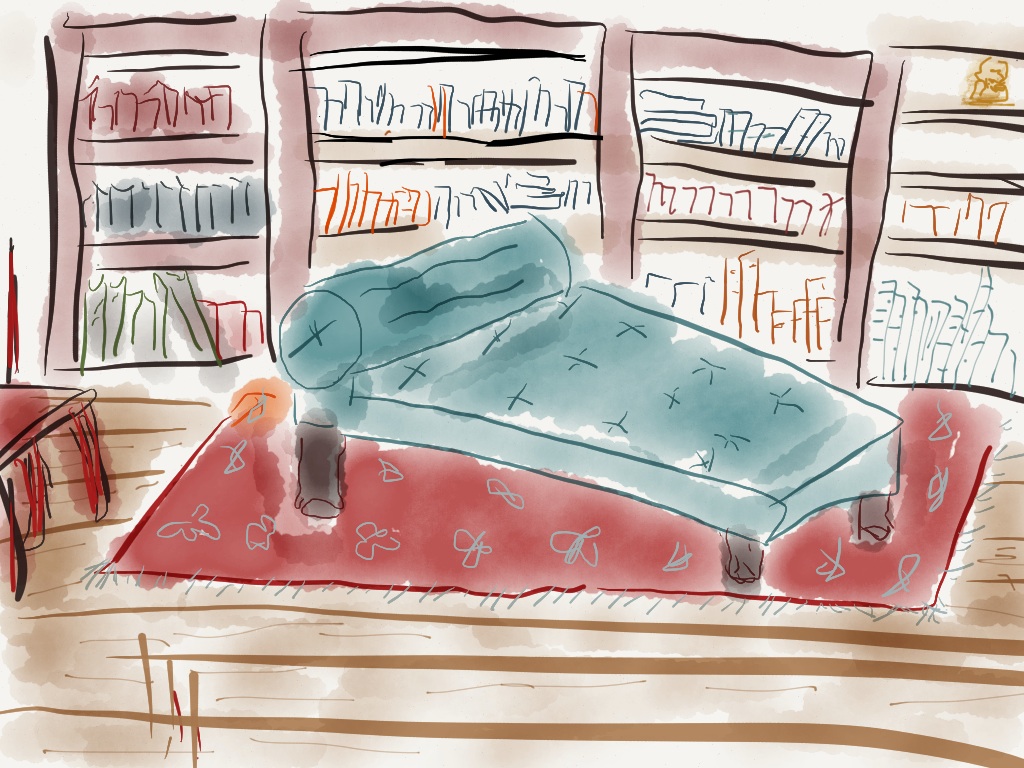
Adam Phillips: Promises, Promises: Essays on Psychoanalysis and Literature

illustration by jpbohannon

illustration by jpbohannon, 2013

In the office of a colleague a while back I noticed a towering pile of books on the desk, as if he were re-arranging his book shelves or carting out old titles to a different location.  But no,  it was his “to read” pile, and it was impressive and imposing.

Among the authors gathered, there was one whom I had not heard of–Adam Phillips. A psychoanalyst by trade–specifically a children’s clinical psychotherapist–Phillips read literature at Oxford, specializing in the 19th century British romantics.  And as the “science” of psychoanalysis has always been symbiotically tied to literature,  a degree in literature seemed the perfect training ground.
Adam Phillips photo: Andy Hall

Adam Phillips
photo: Andy Hall

And so I decided to dive in.

Of Phillips’ seven or so titles, Promises, Promises: Essays on Psychoanalysis and Literature seemed a reasonable starting point. And, the frantic busyness at the end of the school term made a collection of independent essays more attractive and less of a task.
 

“As poets struggle to find a place in contemporary cultural reality, psychoanalysts, implicitly or explicitly,  are still promoting the poets as ego-ideals.”

Philips, “Poetry and Psychoanalysis”

The crux of Phillips’ essays is the mutual relationship between literature and psychoanalysis…and psychoanalysts’  established reverence for creative writers. Literature, according to Freud, gave birth to psychoanalysis and psychoanalysis often gives resonance to literature.

And so go his essays.

He begins with the essay “Poetry and Psychoanalysis” and brings in the young poet Keats–a former medical student–who famously stated that science ruined poetry when Newton reduced the rainbow to a prism.  Not so, Phillips says, for poetry (and you can read “creative writing” where Phillips says “poetry”) can do what the sciences cannot.  Indeed, much of his argument is that the science of psychoanalysis is bringing understanding to the vision of poetry.  Freud said, Phillips tells us, that the poets had long before discovered the unconscious, and that he only had devised a way to study it.

Phillips graciously gives way to “poetry” saying that the short history of psychoanalysis has been an attempt to study the unconscious that poetry reveals. And since both poetry and psychoanalysis–the “talking cure”–depend on language, and often, coded language, the two are intrinsically welded together.

And so he is off.

There are marvelous literary essays on Hamlet, Hart Crane, Martin Amis,  A.E. Housman and Frederick Seidel, all informed by an accessible shading of psychoanalytic theory, as well as masterful psychoanalytic pieces on Narcissism, Jokes, Anorexia and Clutter, informed by a broad knowledge of literature/poetry.  It is Phillips’ contention–his modus operandi, if you will–that the two disciplines can or should depend on each other for clarity.

Hamlet-and-skull-on-stampThe collection ends with the title piece, “Promises, Promises.”  In it, Phillips examines the “promise” that both literature and psychoanalysis offer. He writes:

“If we talk about promises now, as I think we should when we talk about psychoanalysis and literature, then we are talking about hopes and wishes, about what we are wanting from our relationship with these two objects in the cultural field.”

What does reading literature promise us?  What does analysis promise us?  Phillips contends that both promise us, to a degree, “the experience of a relationship in silence, the unusual experience of a relationship in which no one speaks.”  Of course, ultimately, the analyst must speak.  But it is in that silence that often we become “true to ourselves.”

Reading psychoanalytic theory can often be dry and dusty, but Phillips’ writing never is. Bringing in an encyclopedic knowledge of both creative literature and psychoanalytic literature (and, at times, arguing that there might not be a difference),  Phillips imaginatively and wittily plumbs past and current trends, canonical and esoteric literatures, clinical practice and private correspondence to bring to light his vision of psychoanalysis and literature’s potential and promise.

Quote of the week: #2, May 6, 2013

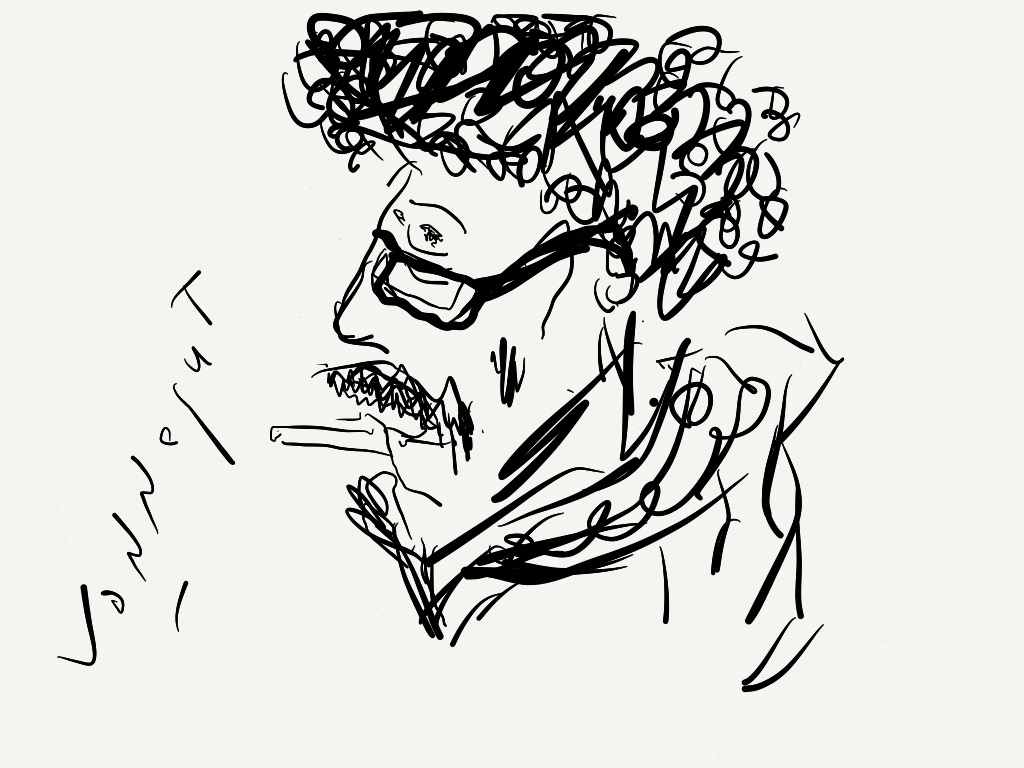
“…The arts are not a way to make a living. They are a very human way of making life more bearable. Practicing an art, no matter how well or badly, is a way to make your soul grow, for heaven’s sake. Sing in the shower. Dance to the radio. Tell stories. Write a poem to a friend, even a lousy poem. Do it as well as you possibly can. You will get an enormous reward. You will have created something.” — Kurt Vonnegut, Jr. A Man Without a Country, 2005

Kurt Vonnegut, 1922-2007. 2013 jpbohannon

Kurt Vonnegut, Jr., 1922-2007
illustration by jpbohannon © 2013

Quote of the week: April 28, 2013

“Creativity is allowing yourself to make mistakes. Art is knowing which ones to keep.”

Scott Adams

Trash                 2013 jpbohannon

Trash
illustration by jpbohannon © 2013