Waiting for Godot: Crying in Beckett

A while back, I had posted about a performance of Samuel Beckett’s Endgame that I ‘d seen at the Arden Theater in Philadelphia. In it, I quoted my favorite lines from the play:

HAMM: (letting go his toque) What’s he doing?

(Clov raises lid of Nagg’s bin, stoops, look into it. Pause.)
CLOV: He’s crying. (He closes lid, straightens up.)
HAMM: Then he’s living.

The character Hamm has made the immediate inference that if his father is crying, then he is alive. And we, by extension, apply it to the human condition. I remembered this line–and the act of crying– this week when teaching Waiting for Godot. (Actually, the crying seemed more appropriate than ever for someone trying to teach Godot to 18-year old boys during their last week of school when the temperatures are in the mid-70s and the sun is bright! Hah!)

Early in the play, Estragon and Vladimir point out the tree where they are supposed to wait for Godot. (It is the only piece of scenery. The scene description reads simply: A country road. A tree. )

godot tree

Mark Bedard (Vladimir) and Mark Anderson Phillips (Estragon) in Samuel Beckett s ‘Waiting for Godot,’ at Marin Theatre Company. photo 2013 by Kevin Berne

Estragon: [desparingly] Ah! [pause] You’re sure it was here?

Vladimir: What?

Estragon: That we were to wait.

Vladimir: He said by the tree. [They look at the tree.] Do you see any others?

Estragon: What is it?

Vladimir: I don’t know. A willow.

Estragon: Where are the leaves?

Vladimir: It must be dead.

Estragon: No more weeping.

This is the exact inverse of the lines from Endgame. In Endgame, the syllogism is that if you are crying then you are alive. In Waiting for Godot, the syllogism is that if you are dead, then there is no more crying. More or less the same thing.

Later on, as Vladimir and Estragon rebuke Pozzo for his treatment of his slave/servant, Lucky, there is more conversation about crying:

[Lucky weeps]

Estragon: He’s crying!

Pozzo: Old dogs have more dignity! [He proffers his handkerchief to Estragon.] Comfort him, since you pity him. [Estragon hesitates.] Come on. [Estragon takes the handkerchief.] Wipe away his tears, he’ll feel less forsaken.

[Estragon hesitates]

Vladimir: Here give it to me, I’ll do it.
[Estragon refuses to give the handkerchief. Childish gestures.]
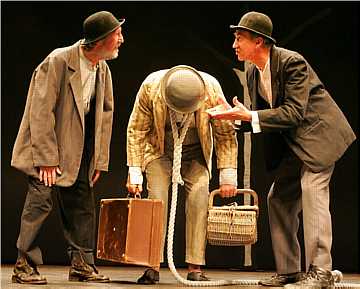
Estragon and Vladimir with Lucky

Estragon and Vladimir with Lucky from samuel-beckett.net

Pozzo: Make haste before he stops. [Estragon approaches Lucky and makes to wipe his eyes. Lucky kicks him violently in the shin. Estragon drops the handkerchief, recoils, staggers about the stage, howling with pain.] Hanky!
[Lucky puts down bag and basket, picks up handkerchief and gives it to Pozzo, goes back to his place, picks up bag and basket.]

♦ ♦ ♦ ♦ ♦ ♦

What are we to make of that? What is the significance of Lucky’s crying? Of Estragon and Vladimir’s desire to comfort him? Of Lucky’s lashing out at his comforter? And of his immediate subservience to his persecutor.

There is, of course, much more going on here, but the small emphasis on tears should be noted. Earlier Beckett had equated crying with living. Are we simply to be reminded that Lucky is a living, human being, and leave it at that? (We knew that anyway.)

Or perhaps we are to examine the difficult symbiosis between the comforter and the comforted? The helper and the helped? The cry of pain and those who hear and those who refuse to hear?

What is our responsibility to those who are “crying”? To those who are inconsolable? Good questions, all. And ones that we should take the time to think about every so often.
“I is someone else”: Rimbaud–l’enfant terrible

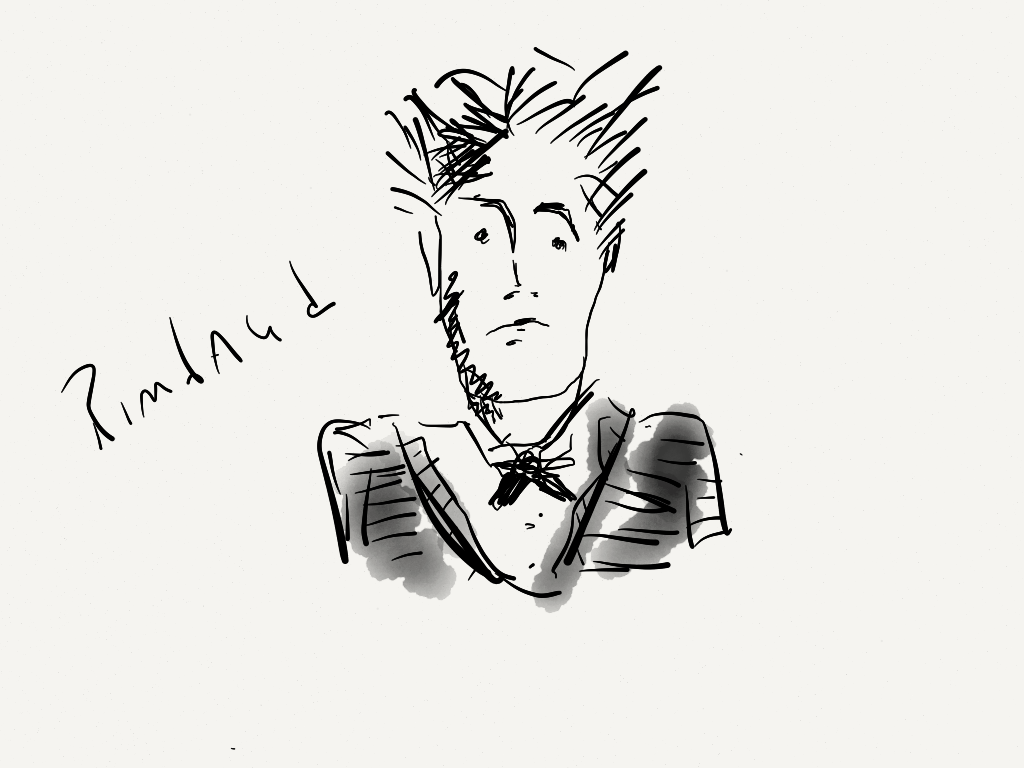
rimbaud drawing

Rimbaud
illustration by jpbohannon © 2013

A colleague came up to me with a problem–a problem with some unruly boys who had been displaying a growing disrespect towards her, coupled with a sophomoric sexism that went beyond their adolescent asininity and a smattering of racism. She then went on to say that to make matters worse, they were also very good writers. I wondered to myself if what she said was not necessarily atypical–that their innate creativity is being strangled by the dysfunctions of the modern educational system and that that is one cause of their intractability.

To make the point, I told her, I wouldn’t want to have taught Rimbaud.

Ah, Rimbaud, the boy-child terror who created haunting, mesmerizing verses until he was 21 and then quit to become a businessman, to dabble in gun-running in Africa, and to even try to join the U.S. Navy. But whatever he did from that point on, he had quit writing and refused to talk about it thereafter. Yet in those five or six years in late adolescence, he cut a swath of creativity and destruction, of love and violence, of intelligence and stupidity–and blazed into the pantheon of world poetry.

In actuality, however, Rimbaud was in fact a fine, model student. While he was in school, he usually walked away with the academic prizes given out at the end of a school year. He wrote poetry in in his native French, as well as in Latin and Greek, mature verse, some of which is still anthologized. Indeed, he was a stellar student. But then he quit school.

When he was still sixteen–and with the encouragement and support of the older Paul Verlaine whom he had enamored with some verses –Rimbaud first ran away to Paris. There he began a meteoric life of debauchery, anarchism, promiscuity, violence, substance abuse–and the most intense poetic creativity.

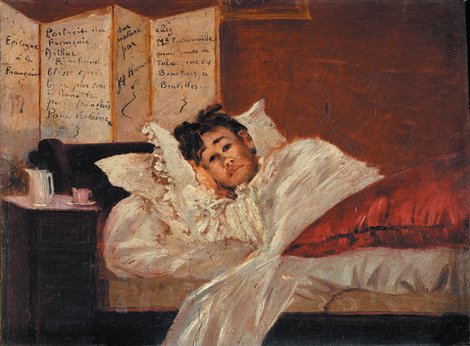
And like a meteor, Rimbaud burned out quickly. His intense and volatile love affair with Verlaine ended with Verlaine shooting him twice in the arm. Verlaine was arrested and served two years in prison.

Wounded Rimbaud by Jef Rosman, 1873

Wounded Rimbaud by Jef Rosman, 1873

When Verlaine was released from prison, Rimbaud handed him a sheaf of loose papers which would become Illuminations, his last major work. Rimbaud was but 21 years old. He was already an old poet. Verlaine had published his FIRST book at 21. Rimbaud was finished by then. (A series of prose reflections, Illuminations is akin–in its intent–to the epiphanies that Joyce gathered –at the beginning of his career, however. )

Here are some 4 stanzas from Rimbaud’s 100 line poem The Drunken Boat (Le Bateau Ivre). He was sixteen when he wrote it!

But now I, a boat lost under the hair of coves,
Hurled by the hurricane into the birdless ether,
I, whose wreck, dead-drunk and sodden with water,
neither Monitor nor Hanse ships would have fished up;

Free, smoking, risen from violet fogs,
I who bored through the wall of the reddening sky
Which bears a sweetmeat good poets find delicious,
Lichens of sunlight [mixed] with azure snot,

Who ran, speckled with lunula of electricity,
A crazy plank, with black sea-horses for escort,
When Julys were crushing with cudgel blows
Skies of ultramarine into burning funnels;

I who trembled, to feel at fifty leagues’ distance
The groans of Behemoth’s rutting, and of the dense Maelstroms
Eternal spinner of blue immobilities
I long for Europe with it’s aged old parapets!
(From
Arthur Rimbaud, the Collected Works, translated by Oliver Bernard)

So the question remains “Would I want to have taught Rimbaud?” I am not sure. I am not sure of myself. Rimbaud–the excellent student, remember–was fortunate to have an exceptional school teacher and mentor, George Izambard, who fostered and encouraged the boy’s talent, gave him free access to his personal library and pushed him towards greatness. That is a big responsibility, to see and encourage greatness.

But in a large way, that is the true nature of teaching–whether it is a future Rimbaud or not. For how are we to know?

Icarus

Now some are born to fly high
Some are born to follow
Some are born to touch the sky
And some walk in the hollow
But as I watched your body fall
I knew that really you had won
For your grave was not the earth
But the reflection of the sun

“Icarus” by Anne Lister

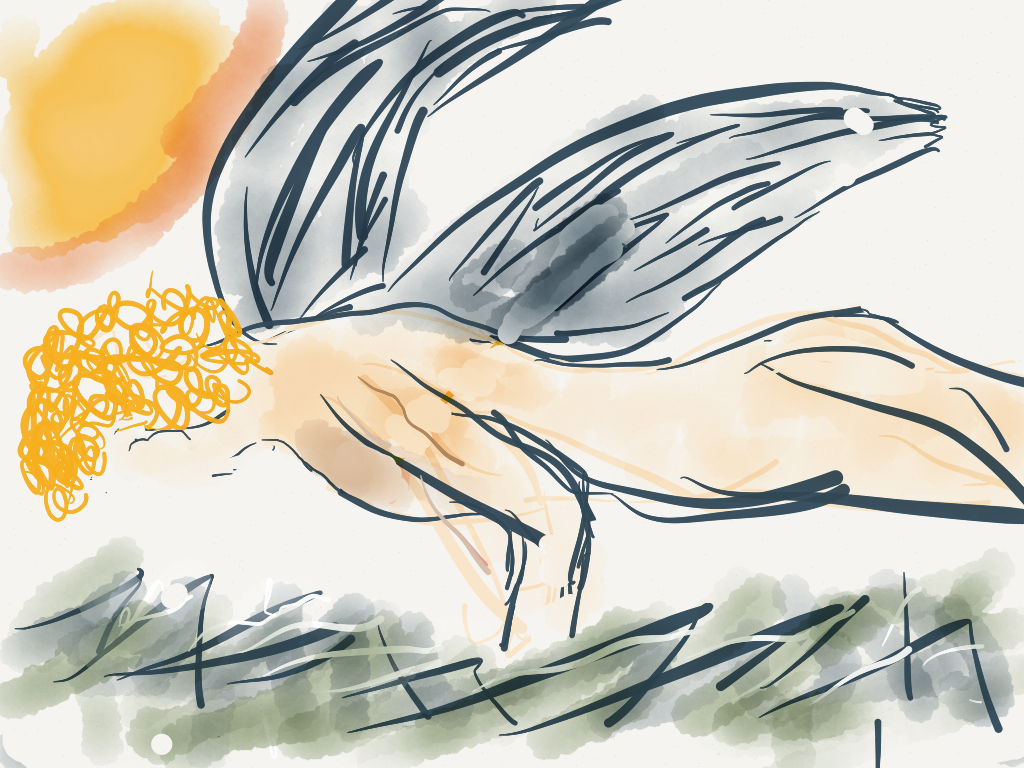
Icarus                        ©2013 by                     J.P. Bohannon

Icarus
illustration by jpbohannon © 2013

The mythological character Icarus has been a buzzword at my job recently. Many of us on the staff have been reading a book called The Icarus Deception by Seth Godin. To be honest, it is not my kind of read–more of a marketing, business oriented approach to things with a fair mixture of Dr. Phil and Oprah thrown in–but it has me thinking about Icarus.

I have always had a soft-spot for him. (See my post “Breughel, Auden and the Death of my Mother” from 2012/8/19.) There is something more than heroic in his quest, in his attempt at flying to the sun–(and I don’t want to hear any of the archetypal “primal disobedience” stuff at the moment. Sure, wasn’t it his old man, that grand artificer Daedelus, that had gotten them both locked up in the first place, locked up in that “inescapable” prison, because of his own disobedience and rebellion.)

And the more I think of it, Icarus’s “disobedience” IS NOT the story. The story is THE FLIGHT, where the tips of his wings glow white and gold with sunlight, where he becomes–for a moment–transcendent. It is all about the attempt, about the individual’s need to push further, to soar higher. For in a large way, to stop pushing forward is the real death by drowning.

No one had flown before Icarus and his father, but what we seem to remember is his drowning. That’s the wrong focus entirely.

♦ ♦ ♦ ♦ ♦ ♦ ♦ ♦ ♦ ♦ ♦

In a previous life, I wrote ad-copy for an agency. And I listened to a lot of music on a good old disc-player. If it was critical, creative stuff I needed to be writing, I used classical music or Irish trad or instrumental guitar. If it was mindless stuff, I listened to songs.

MartinSimpson

Martin Simpson

It was during this time that I became enamored with the guitar work and songs of a man named Martin Simpson. His playing was exquisite, intricate and beautiful and when he did sing a song, his voice was strong yet vulnerable. Until this weekend, I hadn’t listened to him in a long while although I must own four or five of his albums. But Icarus was in my head, and he had done a cover of Anne Lister’s song “Icarus” that I loved a lot and which never failed to choke me up. Told from the point of view of someone too timid to take a risk, too hesitant to make that leap, the song nevertheless details the pride and admiration he/she has for Icarus and what he has done. I always knew that the lump in my throat was not so much for Icarus but for his companion who “never wanted to fly high.”

Here are the full lyrics:

I never wanted to fly high
I was too fond of walking
So when you said you`d touch the sky
I thought it was your way of talking
And then you said you`d build some wings
You`d found out how it could be done
But I was doubtful of everything
I never thought you`d reach the sun

You were so clever with your hands
I`d watch you for hours
With the glue and rubber bands
The feathers and the lace and flowers
And the finished wings glowed so bright
Like some bird of glory
I began to envy you your flight
Like some old hero`s story

You tried to get me to go with you
You tried all ways to dare me
But I looked at the sky so blue
I thought the height would scare me
But I carried your wings for you
Up the path and to the cliff face
Kissed you goodbye and watched your eyes
Already bright with sunlight

It was so grand at the start
To watch you soaring higher
There was a pain deep in my heart
Your wings seemed tipped with fire
Like some seagull or a lark
Soaring forever
Or some ember or a spark
Drifting from Earth to Heaven

Then I believed all that you`d said
I believed all that you`d told me
You`d do a thing no man had ever done
You`d touch the stars to please me
And then I saw your wide wings fail
Saw your feathers falter
And watched you drop like a ball of gold
Into the wide green water

Now some are born to fly high
Some are born to follow
Some are born to touch the sky
And some walk in the hollow
But as I watched your body fall
I knew that really you had won
For your grave was not the earth
But the reflection of the sun

I never wanted to fly high…

And here is Martin Simpson playing and singing. Give it a listen:

First day of school…wait ’til you see the books!

School started this week.  And I’ve got a whale of a course load–five separate courses with five separate reading lists.  But the nice part about it, I got to choose the books.  So here is what we’re reading:

AP Literature and Composition

Brave New World. Aldous Huxley
The Handmaid’s Tale. Margaret Atwood
Crime and Punishment. Fyodor Dostoyevsky
The Stranger Albert Camus
Oedipus Rex Sophocles
Antigone Sophocles
A Doll’s House Henrik Ibsen
Hedda Gabler Henrik Ibsen
Hamlet William Shakespeare
Rosencrantz and Guildenstern are Dead Tom Stoppard
Slaughterhouse-5 Kurt Vonnegut
Catch-22 Joseph Heller
Invisible Man Ralph Ellison
The Piano Lesson August Wilson
Who’s Afraid of Virginia Woolf Edward Albee

Literature and Film

One Flew Over the Cuckoo’s Nest Joseph Heller
Winter’s Bone Daniel Woodrell
Revolutionary Road Richard Yates
The Commitments  Roddy Doyle
The Human Stain  Phillip Roth

The Contemporary Short Story

Best American Short Stories of 2011 Geraldine Books (editor)
The New Yorker magazine

Creative Writing

The 3AM Epiphany Brian Kiteley
The Practice of Creative Writing Heather Sellers
Bird by Bird: Some Instructions on Writing and Life Annie Lamott

Modern Irish Literature

A Portrait of the Artist as a Young Man  James Joyce
Dubliners James Joyce
Butcher Boy Patrick McCabe
Waiting for Godot Samuel Beckett
The Complete Plays of John Millington Synge
The Lonesome West Martin MacDonagh

Now, I have to admit this is a pretty hefty reading list.  Many of the titles I have read multiple times, and some as recently as last year and each of the three years before that.  But as for others, it has been a good while and I’m going to have dig in and get them read.

And of course this is all supplemented with various handouts of Yeats and Heaney and MacNiece, of Hemingway and O’Connor (Flannery and Frank), of modern poets and ancient classical texts.

My boys are getting quite a load.  Some appreciate it. Many don’t.

But that’s okay.  At least they’ve been exposed to the things I love–and sometimes I think that could be contagious.

Summer Reading

Image

It is traditional in the U.S. for schools to give students a list of books to read during the summer.  The concept is twofold: one, keeping a student’s mind engaged while absent from most intellectual interaction; and two, trying to excite a student to the pleasure of reading.  So the trick is to find titles that are both stimulating and enjoyable and thoughtful.

So in the school I work at, the “Summer Reading List” has just been published. Here are the titles:

For 9th Graders:

The Hunger Games by Suzanne Collins
Enders’ Game by Orson Scott Card
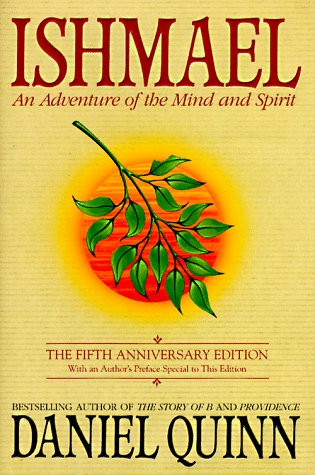
Ishmael: An Adventure of Mind and Spirit by Daniel Quinn

For 10th Graders:

Four mandatory short stories by Nathaniel Hawthorne and four other Hawthorne stories of the student’s choosing.
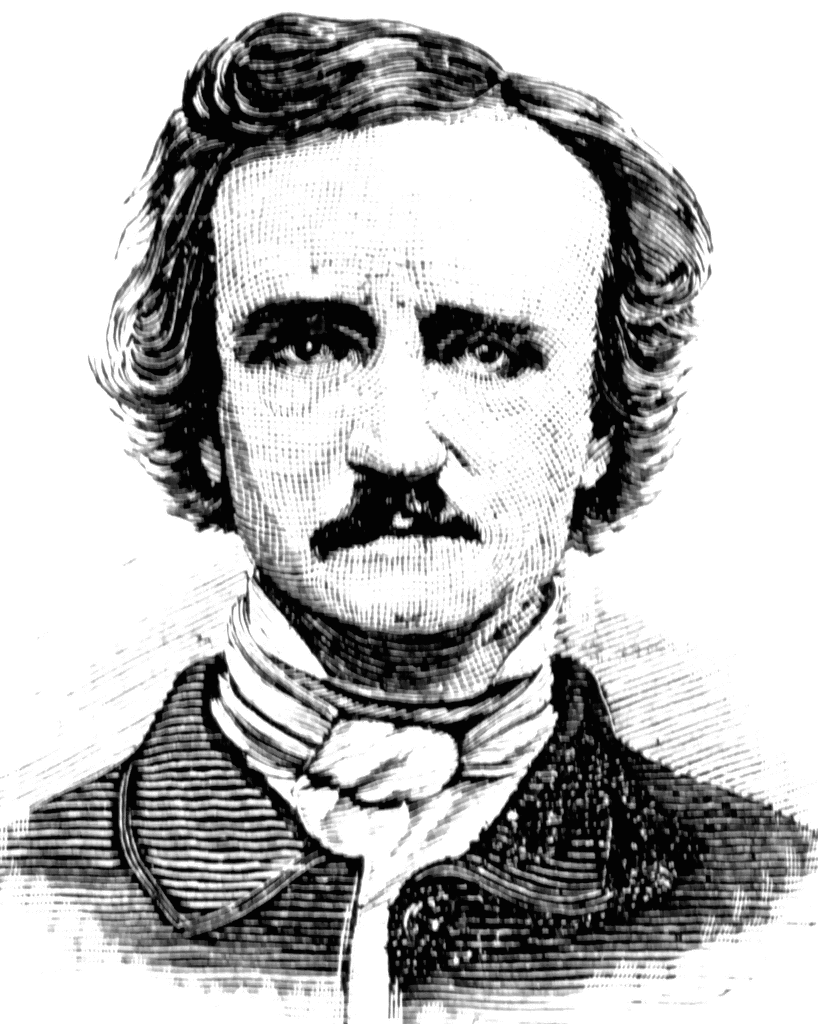
Four mandatory short stories by Edgar Allan Poe and four other Poe stories of the student’s choosing.

For 11th Graders:  There are two levels of books. The first level has a wide choice. They MUST read the first two and then choose ONE of the remaining six:

Don’t Look Now: Selected Stories of Daphne Du Maurier   by Daphne DuMaurier and Patrick McGrath
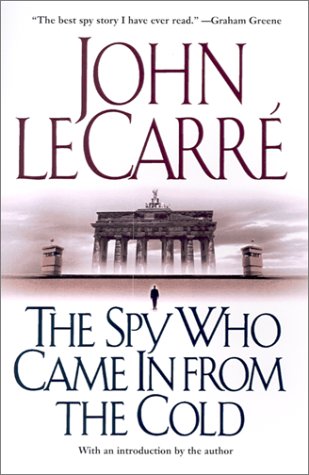
The Spy Who Came in from the Cold by John Le Carre

Here’s Looking at Euclid by Alex Bellos  (HOW GREAT A TITLE IS THIS!!!!!)
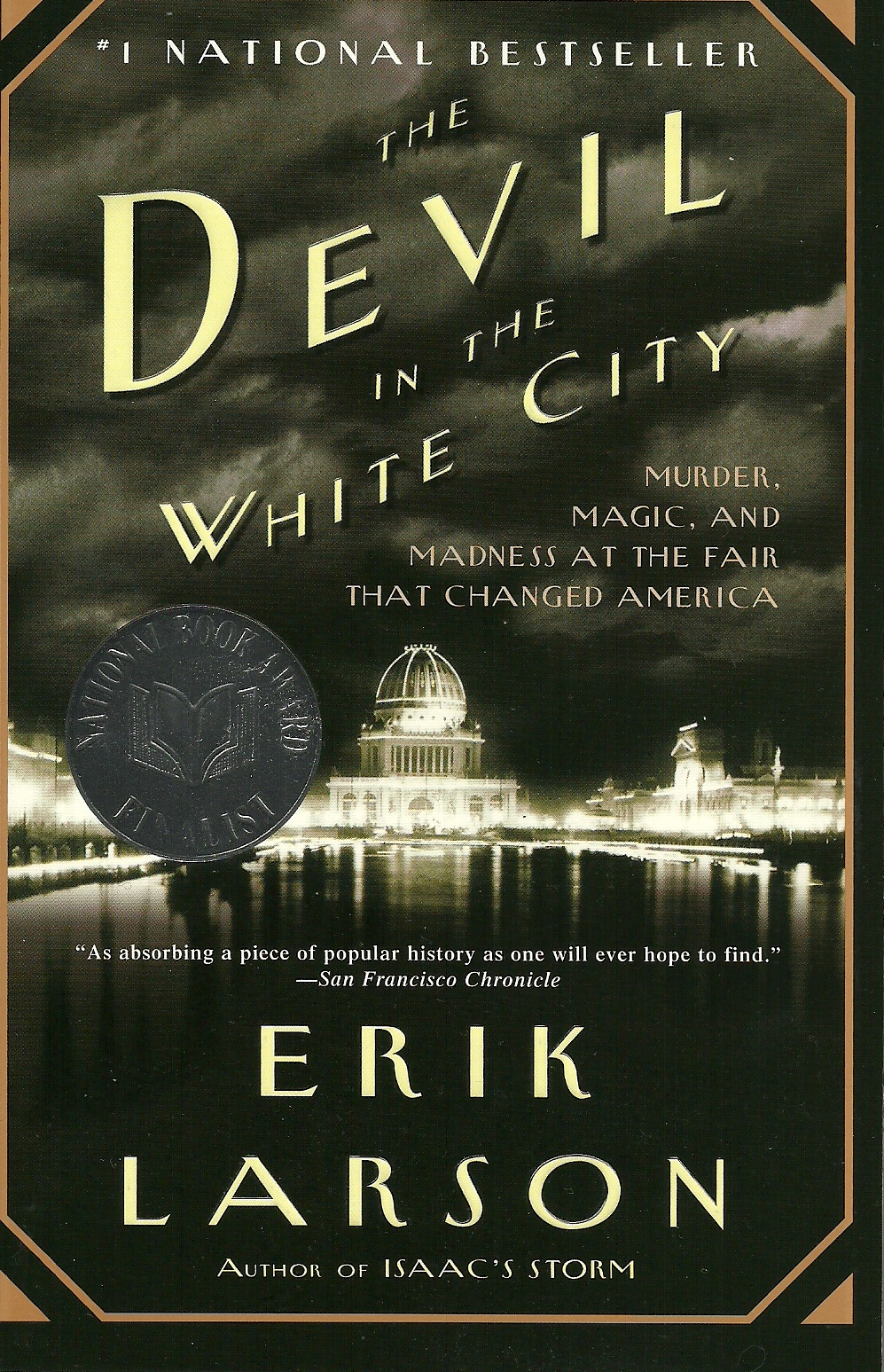
The Devil in the White City  by Erik Larson
The Omnivore’s Dilemma by Michael Pollan
Mutants: On Genetic Variety and the Human Body by Armand Marie Leroi
The Professor and the Madman by Simon Winchester
The Disappearing Spoon by Sam Kean

The other group of 11th graders read these:

Watership Down by Richard Adams
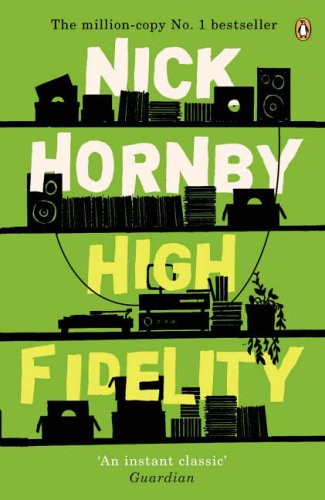
HIGH FIDELITY by Nick Hornby
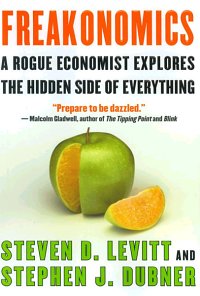
Freakonomics by Stephen Dubner and Steven Levit

Those in 12th Grade read:

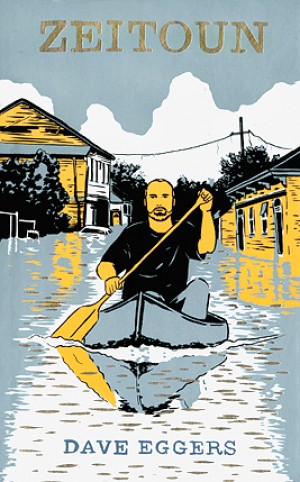
Zeitoun by David Eggers
Like You’d Understand Anyway by James Shepherd

Those in Advanced Placement 12th Grade have a large list to choose from. Some are mandatory and some are choice, but they end up reading 5 titles in all (and for one, reading the book AND watching the film.) They are:

Ragtime by E.L. Doctorow
The Wonder Boys by Michael Chabon
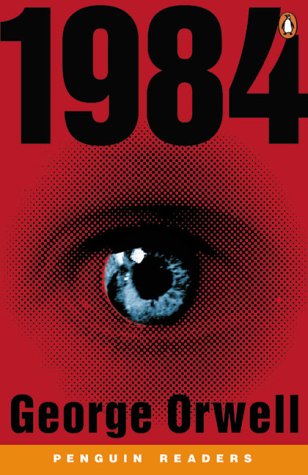
1984 by George Orwell
Do Androids Dream of Electric Sheep? by Phillip K. Dick
On the Beach by Nevil Shute
A Plague of Doves by Louise Erdrich
Brighton Rock by Graham Greene
Player Piano by Kurt Vonnegut
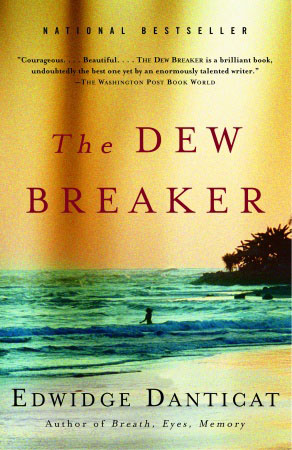
The Dew Breaker by Edwidge Danticat
Demian by Hermann Hesse
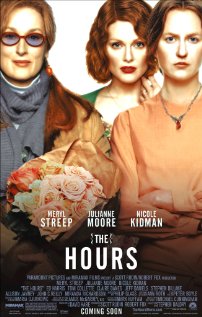
The Hours by Michael Cunningham
Obasan by Joy Kogawa

King Lear by William Shakespeare and the 1985 Akira Kurosawa film Ran
Educating Rita by Willy Russell and the1983 film by the same name
The House of the Spirits by Isabel Allende and the 1994 film by the same name
The Commitments by Roddy Doyle and the 1991 film by the same name
High Fidelity by Nick Hornby and the 2000 film by the same name
Equus by Peter Shaffer and the 1977 film by the same name
The Day of the Locust by Nathaniel West and the 1975 film by the same name
The Color Purple by Alice Walker and the 1985 film by the same name
Beloved by Toni Morrison and the 1998 film by the same name
The Good Earth by Pearl Buck and the 1937 movie by the same name
The Reader by Bernhard Schlink and the 2010 movie by the same name

I must admit, I haven’t read (or watched) all of these titles, but I have read most. It’s a pretty eclectic list…and certainly stimulating. I have my own favorites–Zeitoun for anger, The Commitments for fun, The Hours for tears, The Color Purple for the extraordinary… I could go on, but won’t.  Have fun. Choose something for yourself, if you have the time.

So whether it’s been one year since you’ve been out of high-school or fifty-one years, give the list a look over and maybe you’ll find something to get you through the hot summer days that are already well on their way.

“It is always a matter, my darling, of life and death…”

Hans Christian Andersen's Window-sill Desk

“It is always a matter, my darling,
Of life or death, as I had forgotten.  I wish
What I wished you before, but harder.”

I teach eighteen year old boys. They are very bright, quite talented, and well-situated so as to take advantage of the most amazing opportunities.  And yet they are still eighteen years old–filled with false bravado and insecurities, dreams and fears, uncertainties and confusion.

And this is the week!

In the States, April 1 is the arbitrary deadline that most colleges and universities set for informing applicants whether they have been accepted or rejected. The three or four days beforehand is a time period when these students believe that their lives sit in a balance.  I try to tell them–not flippantly–that it is not the end of the world, that perhaps rejection from one school and acceptance to a lesser-desired one might be the best thing to happen to them.  Who can tell?

But I have to remember as the poet says, at that age “it is always a matter of life and death.”

I don’t envy them their angst.  And I don’t downplay it. It is very real–and almost palpable in the school hallways. Instead I give them this poem, which I think is good for them to know.

The Writer by Richard Wilbur

In her room at the prow of the house
Where light breaks, and the windows are tossed with linden,
My daughter is writing a story.

I pause in the stairwell, hearing
From her shut door a commotion of typewriter-keys
Like a chain hauled over a gunwale.

Young as she is, the stuff
Of her life is a great cargo, and some of it heavy:
I wish her a lucky passage.

But now it is she who pauses,
As if to reject my thought and its easy figure.
A stillness greatens, in which

The whole house seems to be thinking,
And then she is at it again with a bunched clamor
Of strokes, and again is silent.

I remember the dazed starling
Which was trapped in that very room, two years ago;
How we stole in, lifted a sash

And retreated, not to affright it;
And how for a helpless hour, through the crack of the door,
We watched the sleek, wild, dark

And iridescent creature
Batter against the brilliance, drop like a glove
To the hard floor, or the desk-top,

And wait then, humped and bloody,
For the wits to try it again; and how our spirits
Rose when, suddenly sure,

It lifted off from a chair-back,
Beating a smooth course for the right window
And clearing the sill of the world.

It is always a matter, my darling,
Of life or death, as I had forgotten.  I wish
What I wished you before, but harder.

There are two important pieces in that last verse.  One, I realize that for them everything–a university rejection, a break-up with a girlfriend, a strike-out when a game is on the line–everything is “a matter of life or death.”  The second is that wish that the speaker “wished you before, but harder.”  Undoubtedly, they will be battered and smacked up against hard obstacles. Even the most fortunate among them–and they are mostly fortunate–will have moments where things seem hopeless.  And so, like the poet, I wish them well, I wish them smooth sailing, and I wish it even harder.